Consignments, dispatch and the hub for logistics operators
One consignment record from the booking to the settlement, visible to the hub, the driver and the customer at the same time. Bought once and owned outright.
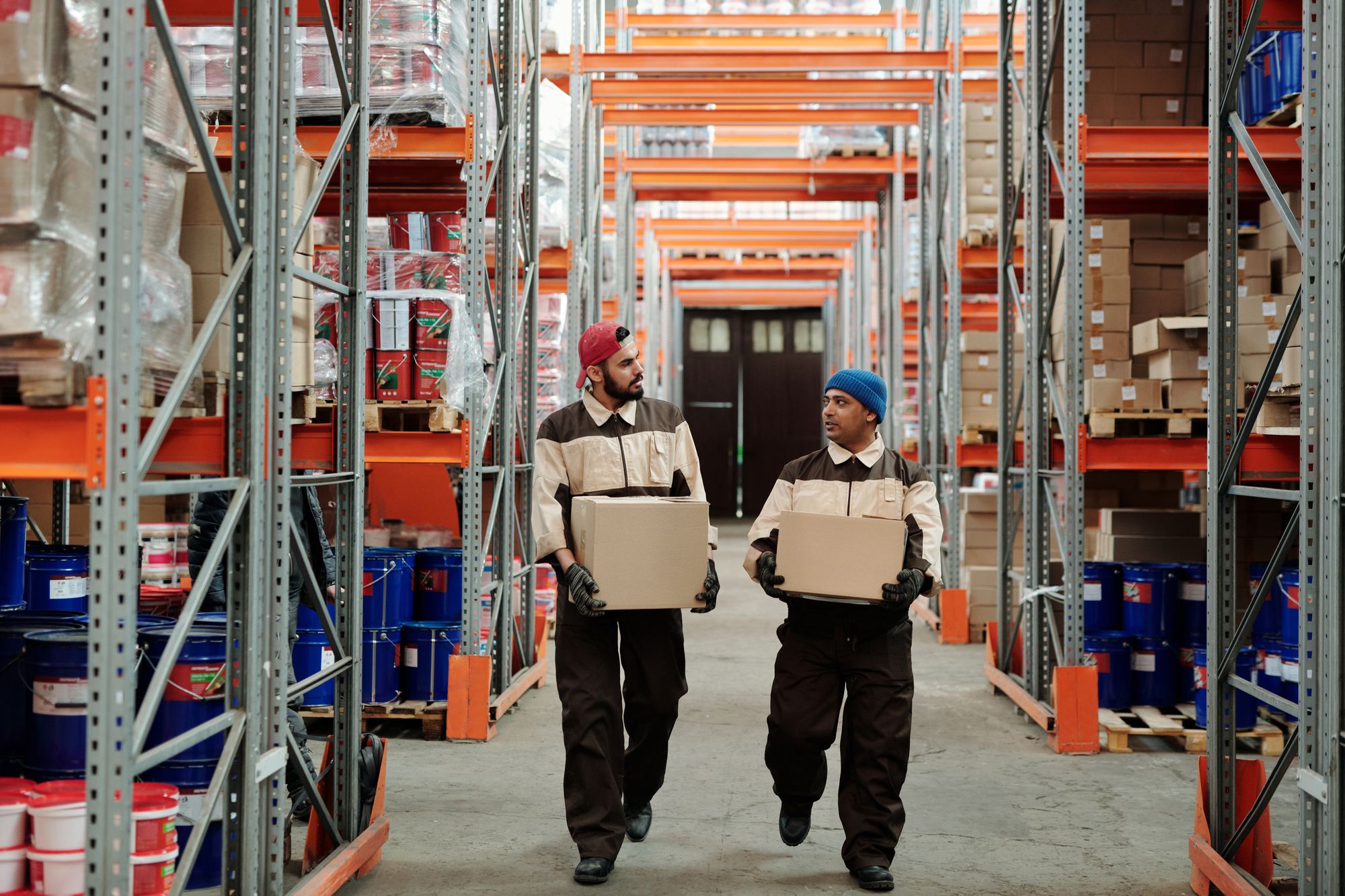
- One record
- From the booking to the settlement, for every consignment.
- Collected at the door
- Cash on delivery recorded against the consignment.
- Out of coverage
- The run continues, and syncs when the signal returns.
- Owned outright
- The software and the records stay with the operator.
From the booking to the settlement
Six features on one consignment record, for operations and dispatch, drivers, the hub and finance.
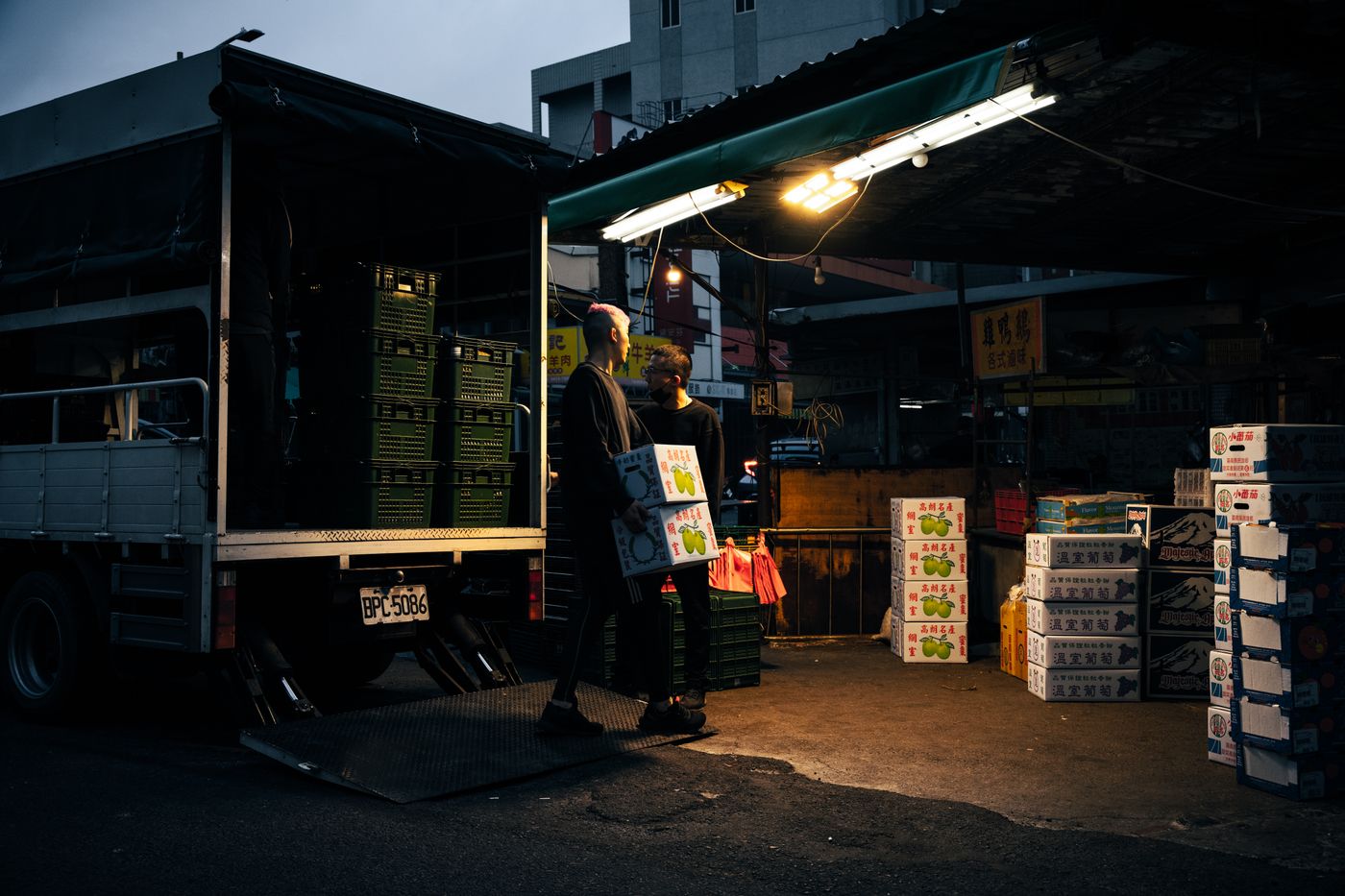
- Consignments and trackingOne record per consignment, from the booking to the settlement.
- Dispatch and routingJobs to routes, vehicles and drivers, adjusted through the day.
- Driver app and proof of deliveryThe run, proof at the door, and no paper when the signal drops.
- Cash on deliveryRecorded at the door, reconciled per driver, run and depot.
- Hub and depotScanning, sorting, loading and handover between hubs.
- Contractor and haulier settlementStatements from the trip records, with rates and deductions.
A day of deliveries on asasii logistics
From the sort at four in the morning to the contractor statements at month end.
- 04:00
The sort begins
Parcels are scanned in at the hub and sorted, so each parcel's location is a record rather than an assumption.
- 05:30
The day's plan
Jobs are assigned to routes, vehicles and drivers. The plan is built once and adjusted as the day changes.
- 06:45
The first van leaves
Loading is recorded at the hub, and the driver app shows the stops in order, the parcels on board and the collection due at each door.
- 10:15
Delivered, with proof
Signature, photograph and timestamp are captured at the door and attached to the consignment as it happens.
- 11:40
Out of coverage
The van goes where the signal does not. Deliveries, collections and proof are captured offline and sync when the signal returns.
- 13:20
Paid at the door
The customer pays by QR, card or cash, and the payment is recorded against the consignment at the point of collection.
- 18:30
Back at the depot
What each driver owes is already known, and collection is reconciled per driver, per run and per depot.
- Month end
Contractor statements
Contractor and haulier statements are generated from the trip records the operation ran on, with rates and deductions held against each contractor.
Who it's for
Four groups of people, working from the same consignment record.

Operations and dispatch
The plan, the current position and one record per consignment.
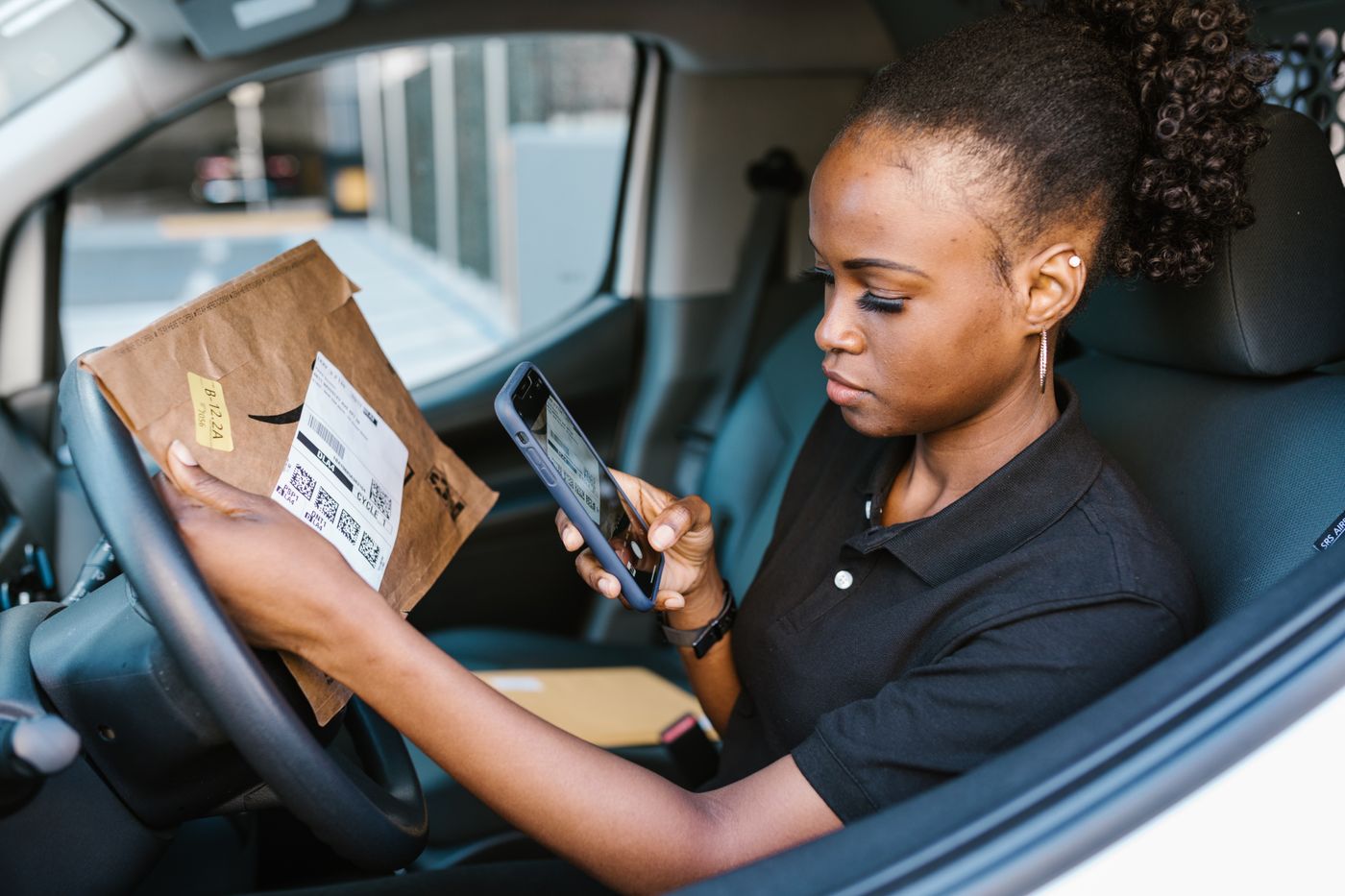
Drivers
The run, the proof and the collection, with or without signal.
Hub and depot teams
Scanning, sorting, handover and the end of the run.

Finance and contractors
Cash reconciled per run, and statements from the trip records.
A licence, not a subscription that takes the delivery records with it
The operator buys the software and keeps every record it produces. idataraya is paid to customise, install and maintain it.
| Topic | A hosted subscription | asasii logistics |
|---|---|---|
| Who owns the software | The vendor | The operator, outright |
| Where the records live | The vendor's cloud | The operator's own environment |
| Who maintains it | The vendor, on its own schedule | idataraya, under a yearly agreement with the operator |
| What it costs | A subscription for as long as the operation runs | A licence, plus a yearly agreement |
| When the contract ends | Access to the records ends with it | The software and the records stay with the operator |
Security and Malaysian compliance
The questions auditors and IT ask, answered in the system.
Security and data overview- PDPA 2010
- Customer details, signatures and delivery photographs stay in the operator's own environment.
- Single sign-on and MFA
- On every console, with the operator's own identity provider.
- Roles
- Each role is scoped by hub and function.
- Audit trail
- Every action recorded with the previous value and kept for seven years.
- The operator's records
- Held in the operator's own environment, from the booking to the settlement.
- Out of coverage
- Deliveries, collections and proof are captured offline and sync when the signal returns.

Installed and maintained by idataraya
asasii logistics runs in the operator's own cloud account or data centre. idataraya installs it, configures it to the operation's own network and rates, and keeps it current, and the operator's team holds the keys, the backups and the data.
- Proven on one route or one hub before the operation commits
- Response times by severity, measured monthly
- Monitoring from within the operator's environment
- Support on the operation's own clock, including the sort at four in the morning
Questions logistics operators ask
About the road, the hub, the money and the agreement.
What happens when a van goes out of coverage?
The run carries on. The driver app captures deliveries, collections and proof offline and syncs when the signal returns. A dead spot costs signal, not a stack of handwritten sheets to key in at the depot that evening.
How is proof of delivery captured?
At the door, as it happens. Signature, photograph and timestamp are attached to the consignment, so a delivery dispute is settled by opening the record rather than by asking a driver what they remember about a Tuesday.
How is cash on delivery controlled?
Money collected at the door, as QR, card or cash, is recorded against the consignment at the point of collection. What each driver owes at the end of a run is a figure the system already holds, and collection is reconciled per driver, per run and per depot. A shortfall is found against a specific run on the same day, not in a monthly total.
How does the hub know where a parcel is?
Inbound scanning, sorting, loading and handover between hubs are all recorded, so a parcel's location is a record rather than an assumption. Exceptions are visible at the hub while there is still time to act on them, and the customer's tracking page shows the same status the hub sees.
How are contractors and hauliers settled?
Rates, trip records and deductions are held against the contractor who did the work, and statements are generated from the trip records the operation ran on. Settlement stops being an argument between a haulier's log and the operator's.
Do we have to replace the systems we already use?
No. Accounting packages, customer systems and the marketplace and e-commerce platforms the operator already sells through stay where they are, and idataraya integrates with them. asasii logistics also works beside asasii ledger for collections and asasii fleet for the vehicles themselves.
How does the rollout start?
On a single route or a single hub, before the operation commits. Real runs surface the cases a specification never lists: the address that does not exist, the customer who pays half, the parcel refused at the door.
Where does it run, and what does the yearly agreement cover?
In the operator's own cloud account or data centre, with the operator's team holding the keys, the backups and the data. idataraya installs it and keeps it current under a yearly agreement covering software updates, the customisations made for you, monitoring, severity-based response and restoration targets, and support on the operation's own clock, including the sort at four in the morning. Hosting stays with you, and it is a fee, not a subscription.